
If you've just wrapped up a season of camping — or you're heading into a busy stretch where the motorhome will sit idle — you've probably wondered: how long is too long to leave an RV in storage? The short answer is there's no hard limit. RVs can be stored for months or even years without major issues. But how well it holds up depends almost entirely on how well you prepare it before you park it.
For RV owners in the Fairhope and Baldwin County area, there are also a few regional conditions — Gulf Coast humidity, intense UV, salt air — that make prep more important here than in most parts of the country. Here's what you need to know before your first long-term storage season.
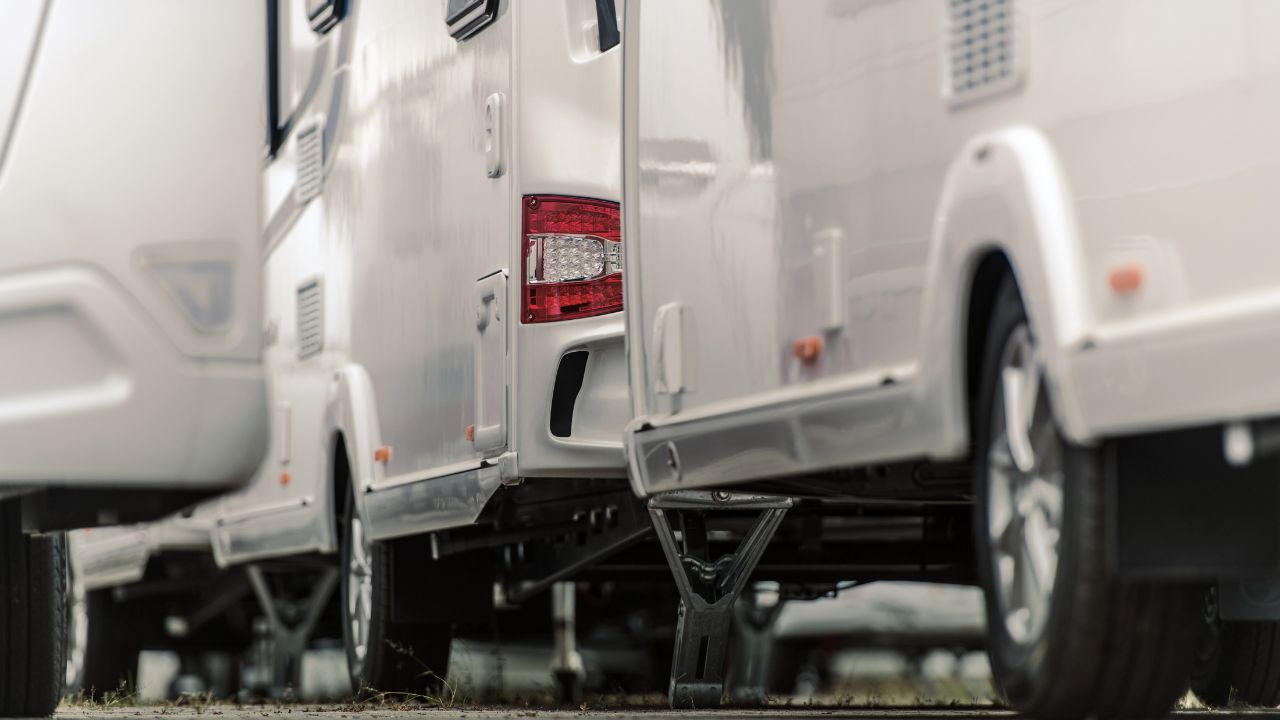
A well-prepped RV can sit in storage for six months, a year, or longer without serious damage. An unprepared one can develop problems in just a few weeks. The culprits are almost always the same: dead batteries, flat-spotted tires, moisture buildup, rodents, or fuel that's gone stale. None of these are inevitable — they're all preventable with the right prep.
Not every storage situation calls for the same level of effort. Here's a quick breakdown:
Add a fuel stabilizer to the tank before your last drive to the storage facility. Fresh stabilizer keeps fuel from breaking down and gumming up the carburetor or injectors over a long sit. Fill the tank close to full to minimize condensation buildup inside.
A stored battery that's left to drain completely may never recover. Your options:
Check on it every four to six weeks if possible.
Tires that sit in one position for months can develop flat spots — especially in the Gulf Coast heat. A few things help:
Humidity is the enemy of RV interiors, and in Fairhope and the surrounding Gulf Coast area, it's no joke. Before storing:
Drain the fresh water tank, water heater, and all lines before any extended storage. Stagnant water leads to odors, bacteria, and damage to seals and fittings over time. Run RV antifreeze through the system if there's any chance of freezing temperatures — rare in Fairhope, but not impossible in December or January.
Rodents love a quiet, warm RV. Before parking it:
If your RV is stored outdoors, a quality breathable RV cover blocks UV rays, bird droppings, tree sap, and weather. Make sure it's breathable — not plastic — so moisture doesn't get trapped underneath. If you're in a covered facility, a cover is less critical but still a good habit for the roof seals.
Generic RV storage guides are written for a general audience. If you're storing near Fairhope or anywhere in Baldwin County, these regional factors matter more than most:
For anything under two months, you can probably leave it and not worry much. For longer storage, plan to stop by every four to six weeks to:
These visits take 20–30 minutes and can save you from expensive surprises when you're ready to hit the road again.
For long-term storage, covered or enclosed storage makes a real difference. UV exposure, rain, bird droppings, and road debris take a cumulative toll on exterior finishes, seals, and roof materials — especially over multiple seasons. Covered storage keeps your motorhome looking newer longer and reduces wear on the rubber seals that keep water out.
If covered storage isn't an option, a breathable cover and regular check-ins go a long way.
Before you drop your keys and drive away, run through this list:
Most RVs can safely sit for 30 days with minimal prep. Beyond that, you'll want to address the battery, fuel, and tires. For storage beyond three months, follow a full prep routine. A well-prepared RV can sit for a year or more without major issues.
Not if it's prepped correctly. The main risks with year-long storage are battery drain, flat-spotted tires, dried-out seals, moisture buildup, and rodent damage. All of these are preventable with the right steps before you park it.
Stagnant water in tanks and lines can develop bacteria, cause odors, and damage seals over time. In rare cold snaps, it can also freeze and crack fittings. Always drain the system before any extended storage.
Covered or enclosed storage is better for long-term storage — especially in the Gulf Coast climate where UV intensity, humidity, and occasional salt air can accelerate wear. If outdoor storage is your only option, a quality breathable cover makes a significant difference.
Every four to six weeks for anything over two months. Check tire pressure, run the engine briefly, look for signs of pests or water intrusion, and verify the battery charge. Each visit takes about 20–30 minutes and helps catch small problems before they become expensive ones.
At Sweetwater Solutions, we offer RV and motorhome storage in Fairhope, AL sized for everything from pop-up campers to full-size Class A motorhomes. Our facility on AL-181 gives you easy access without fighting Daphne traffic, and we're ready to help you get set up before the season ends.
Give us a call or stop by — we'll walk you through your options and find the right spot for your rig.
Sweetwater Solutions
16210 State Highway 181, Fairhope, AL 36532
251-210-6500
Looking for more detail on storage options in Baldwin County? See our Complete Guide to RV & Motorhome Storage in Baldwin County.